
Coming Events

  • July 17, 2026 at 8pm - Groton Long Point Star Party

  • August 21, 2026 - at 8 - 10 pm - Hammonasset Events with SAS and ASNH.

  • November 6, 2026 at 7 - 9 pm - Hammonasset Events with SAS and ASNH

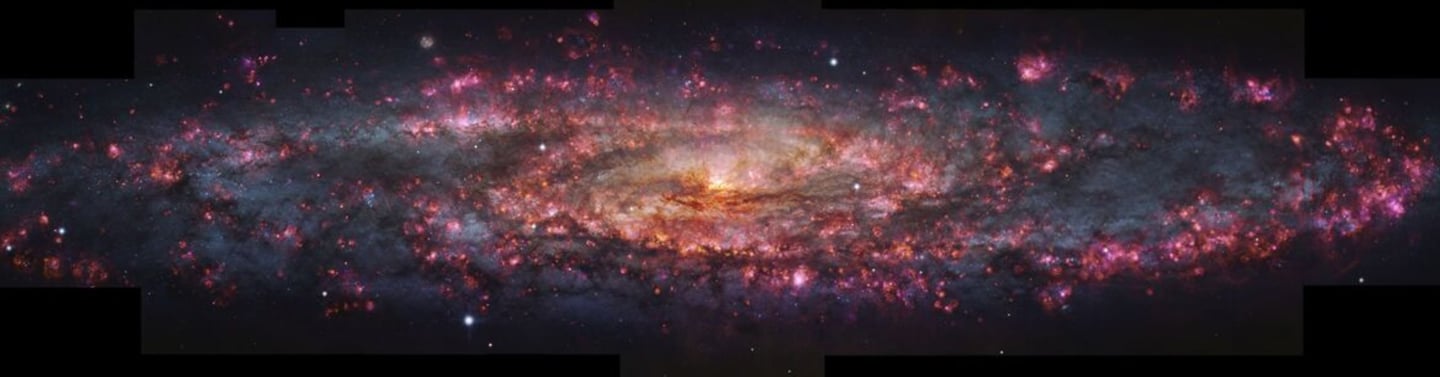
The Sculptor Galaxy

  • June 24, 2026 at 8:30 - 10:30 pm - Lyme Land Trust public Astronomy Observing Session. Register Here.
  • August 22, 2026 at 8:30 - 10:30 pm - Lyme Land Trust public Astronomy Observing Session. Register Here.
  • August 13 - 16, 2026 - Stellafane in Springfield, VT. Learn more...

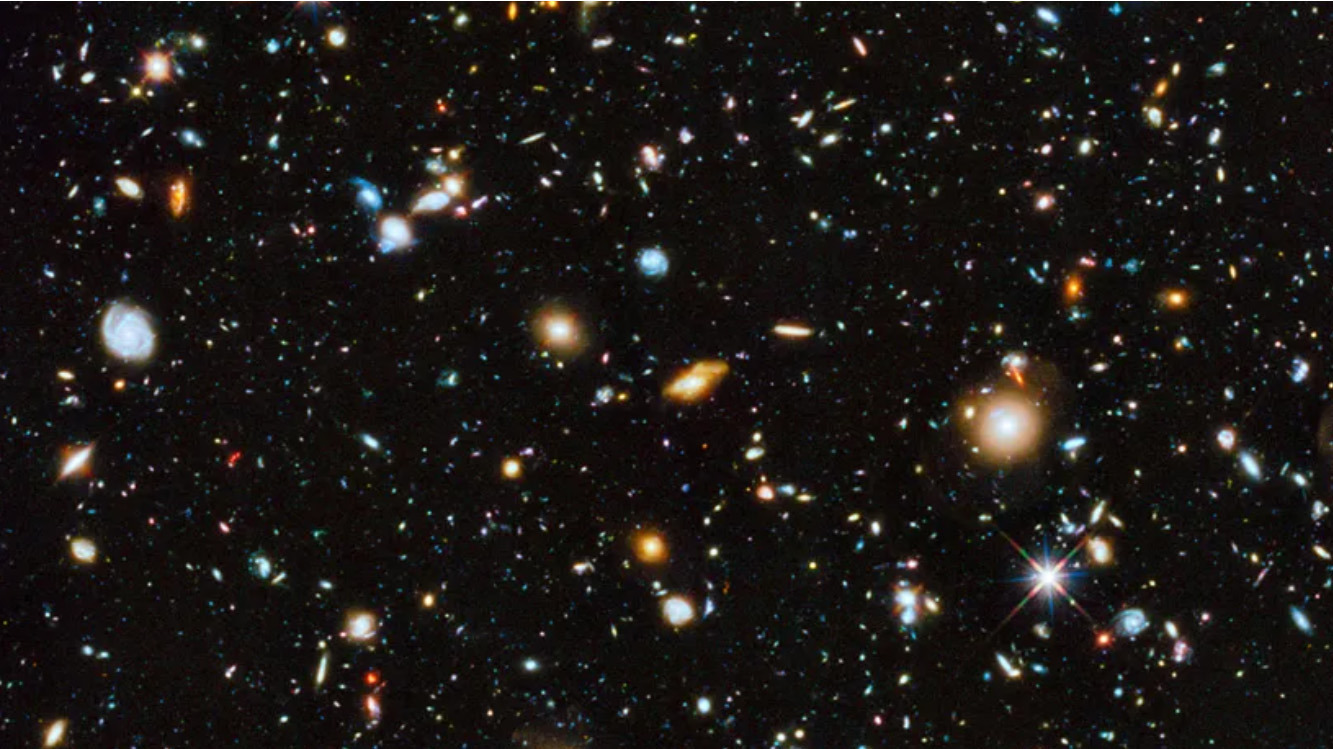
The First Hubble Deep Field

In December of 1995, and against the advice of many of his fellow scientists, Dr. Robert Williams, then director of the Space Telescope Science Institute which manages the Hubble Space Telescope's research program, wanted to use part of his discretionary target selection time allotment to point Hubble at a seemingly empty and tiny, dark patch of sky for 10 full days (342 subframes). After the fiasco of the flawed primary mirror (due to spherical aberration) was discovered following Hubble’s launch that could capture nothing but blurry images in the most expensive science project at the time (and requiring a shuttle mission so astronauts could fix Hubble by adding "eyeglasses"), many colleagues feared another waste of resources could result in severe ridicule and a reduction or elimination of Hubble’s budget. But Dr. Williams had made his decision and Hubble was pointed at that empty, dark spot in Ursa Major. What was discovered is over 3,000 distinct galaxies in that tiny, previously unknown area of space. The resulting image below was mind blowing and changed many views of astronomy. It is known as the first Hubble Deep Field.